
As I think about our first few months in Africa, many of the things that come immediately to mind are those that I did not know before arriving. Living in a privileged western context all my life, I’ve been ignorant to the reality of the struggles for people in developing nations. Simple things I have taken for granted over the years are often viewed as luxuries or are rarely available at all. Like our supply chain for example. Currently on ship we have no peanut butter available in the galley for my peanut butter and jelly sandwiches. It’s very common to have items like this unavailable for weeks at a time. Contrast this with almost every supermarket in America which will have 4 or 5 brands of peanut butter available in at least a couple of different styles. On top of that, the shelves will be stocked 4-8 rows deep with more jars. And that’s not even considering the Costco size jumbo packs you could pick up if you have a membership.
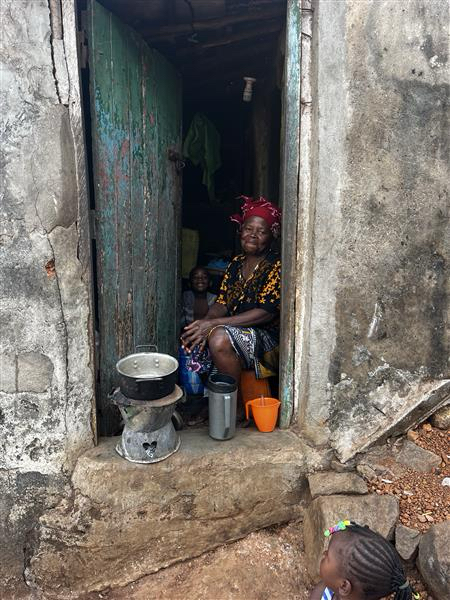
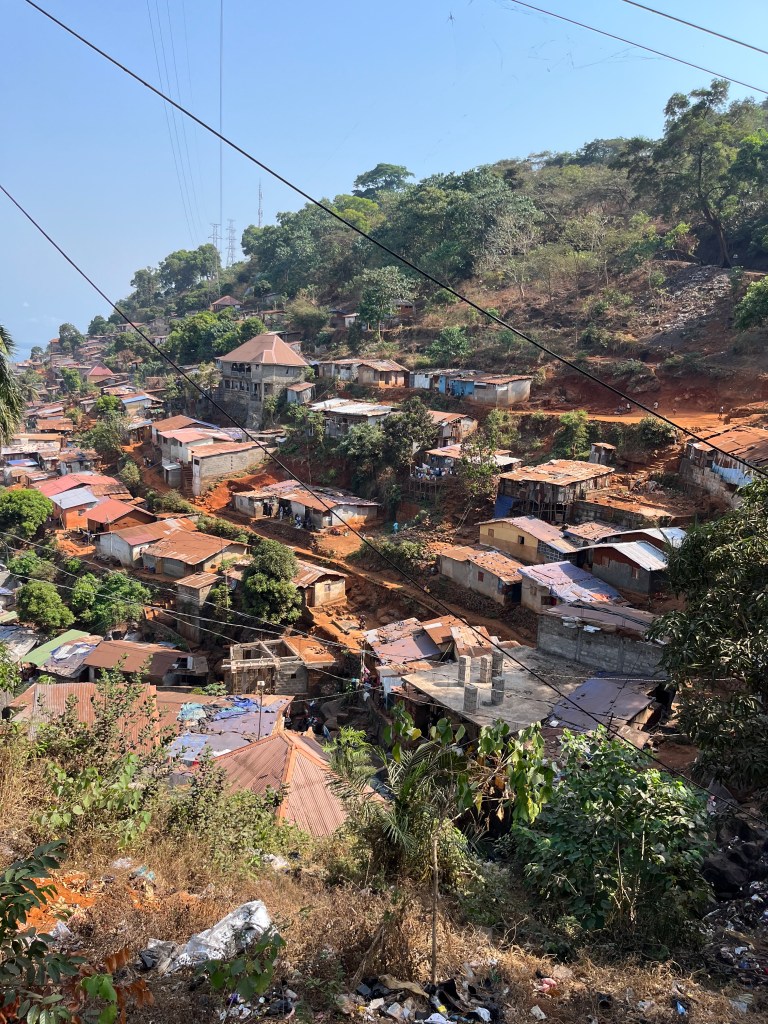
Similar challenges and scarcity are a reality across many parts of Africa and the impact is much more critical than not having a PB&J. Here’s a short list of other challenges that many Sierra Leonians face. Having a roof over your head that does not leak. Having an adequate supply of clean drinking water. Having access to good education. And finally having access to safe, affordable and effective medical care. Of course this final one is a big part of our mission here with Mercy Ships.
Mercy Ships exists to, “Follow the 2,000 year old model of Jesus by providing hope and healing to the world’s forgotten poor.” In Luke 7:22 a hallmark of Jesus’ ministry was declared. “The blind see, the lame walk, those with leprosy are cured, the deaf hear, the dead are raised to life, and the Good News is being preached to the poor.” It’s striking how tangibly this is happening through the work of the hospital and our supporting ministries. I’ve had multiple trips below deck to our hospital and also to the Hope Center (our shore based clinic where people live and await their surgeries and also where they finish their recoveries post-op). The patients are amazing and so grateful. Multiple times each week they are taught the stories of scripture and they sing and dance together. It’s an amazing experience!
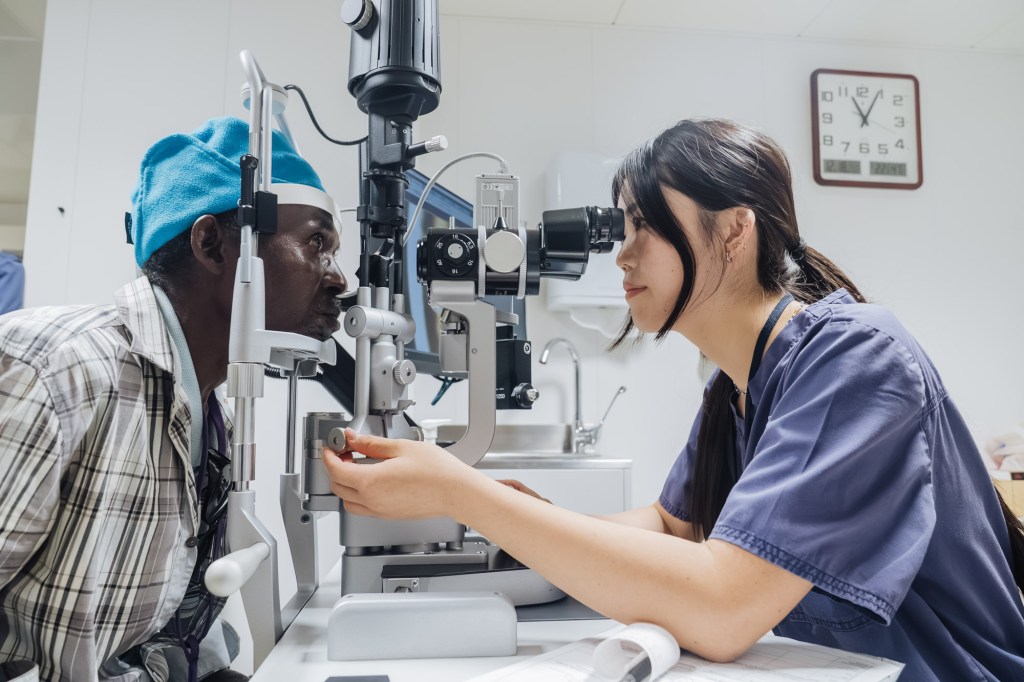
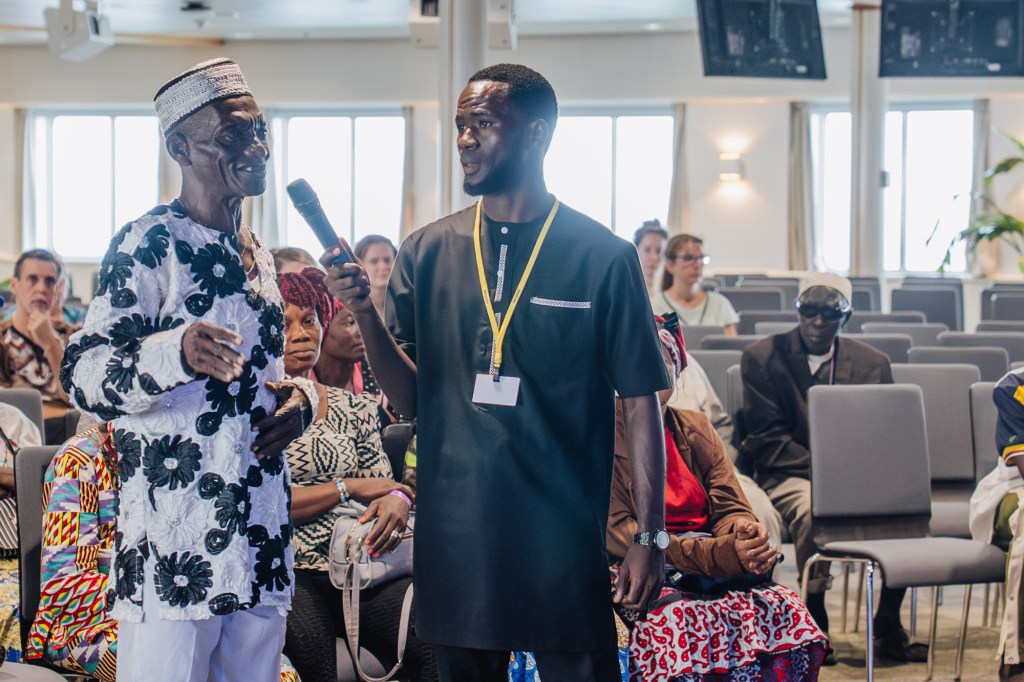
One aspect of the work is cataract surgeries. Each Friday during the months of December and January there was an event called Celebration of Sight where our Hospital Chaplaincy Team of Sierra Leonian locals led worship and taught a story of Jesus healing the blind. It’s often the patient’s last time on the vessel before being released. A part of the event is having 2 or 3 patients share their testimony of healing. Every week Christians and non-Christian’s stand and declare the name of Jesus and give thanks for their healing. It really is a moving experience.
During the same week that I went to my first Celebration of Sight, my dad had his second cataract surgery done back in the states. He could still see just fine but was glad to have the cloudiness removed and to increase his eye health. Here in Sierra Leone cataract surgery is rarely accessible and it is financially out of reach for most. Many of our patients are literally blind in at least one eye and oftentimes both before the procedure. In developed nations these problems are taken care of early on and easily, but here in Sierra Leone permanent blindness is an unfortunate reality for many. What a beautiful expression of love to provide the gift of sight free of charge and in Jesus name to those who need it! I wish you could experience a Celebration of Sight with me.
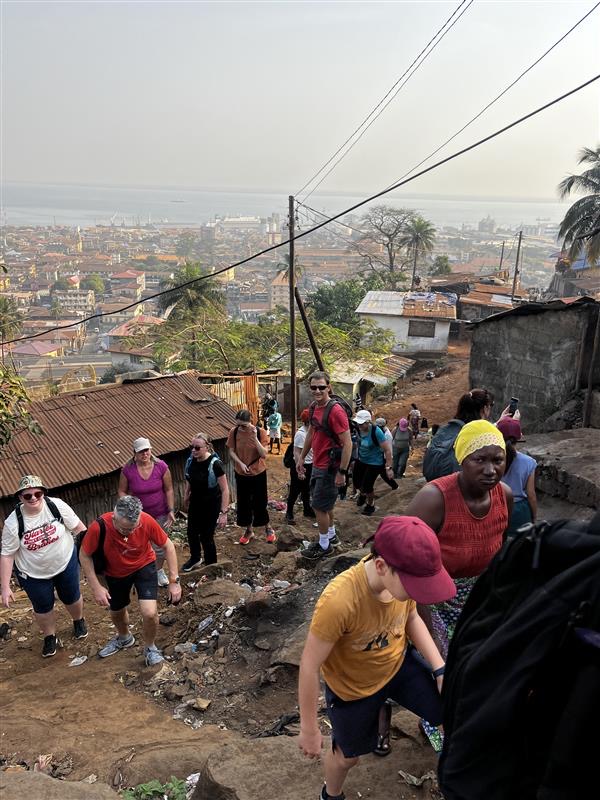
There’s a common phrase being repeated today, “You don’t know what you don’t know.” How true that is. Previous to Karin and I coming to Africa, there was much that we did not know about the struggles of people in the developing world. But now we know and we can’t un-know what we know. This leads to an important question. What will we do with what we know? For Karin and I, we will continue to meet people where they are at. To treat people with grace, dignity and the love of Christ no matter what they might be facing. Last month Karin was able to spend time in the wards reading to kids and doing crafts. I will continue to eat lunch with our Day Crew workers (the 300 locals who are hired to come on board and work alongside our long term crew in virtually every department and helping to carry out the mission). These new friends of mine are teaching me so much about their history, their struggles, their joys and their faith. We’ve laughed and joked together and we’ve prayed together. I’m honored to call them my friends. What about you? What do you not know about the people who are living near you? What are their needs, hurts and joys? What will you do to come alongside them in the love of Christ?
This is a part of the call for every person who follows Jesus. In John 1:14 it says that Jesus became human and made his home among us. He met us in our world. Now as we live in His 2,000 year old model, we too should meet others in their world.


 Rosen Journey
Leave a reply to strangerpractically285dabc9e2 Cancel reply